Best commuter electric bikes for 2026
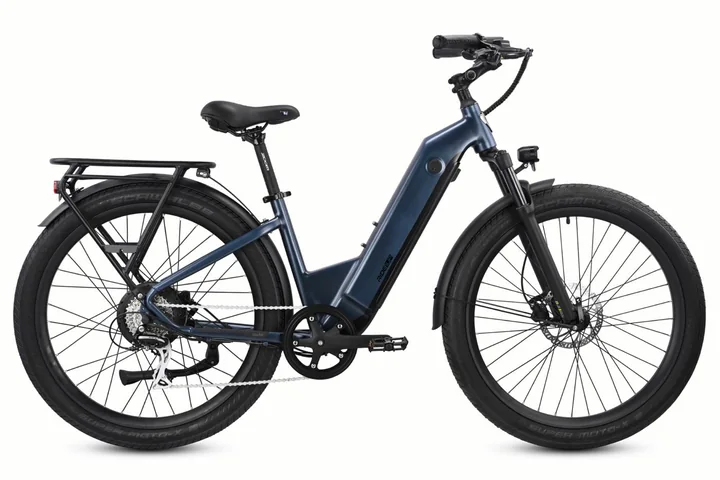
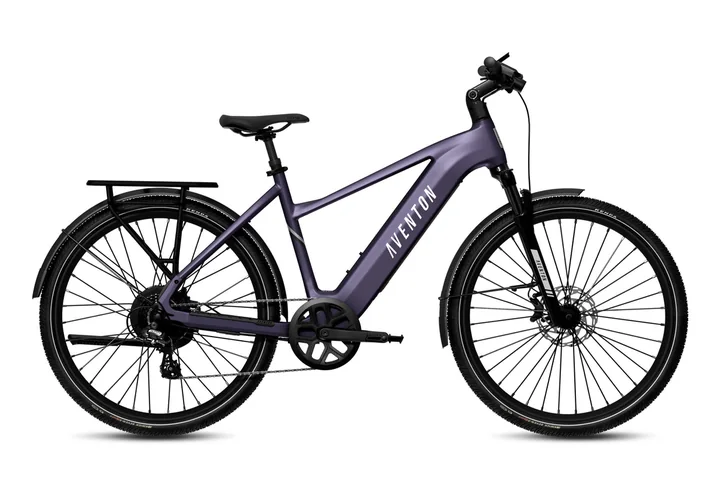
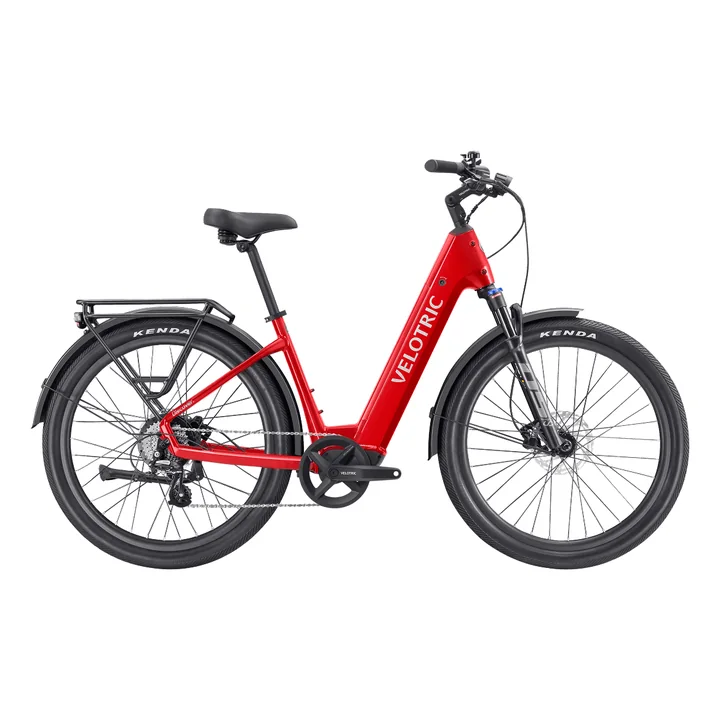
I commute on these bikes, not just to a coffee shop for a photo. I ride them in the rain, up the same hill twice a day, and I keep wrenching on them after the honeymoon ends. A commuter ebike has one job: get you to work without drama, day after day, on a battery you trust. That means a sensor that responds like a bike should, brakes that stop you with a wet rim, and a real range you can plan a week around.
My top pick is the Ride1Up 700 Series at $1,595. It gives you a Samsung battery, hydraulic brakes, and a rack and fenders in the box for the least money of anything I'd actually rely on. If you want a torque sensor and a cleaner ride feel, the Aventon Level 3 ($1,699) earns it. And if comfort and an easy step-through matter most, the Velotric Discover 2 ($1,699) is the one I hand to people who want to sit upright and just pedal. For the wider field beyond commuters, see our overall best electric bikes ranking.
My top commuter ebike picks at a glance
Three bikes, three clear reasons to buy. They're close in price, so the right pick comes down to whether you care most about value, ride feel, or comfort. Here's how they stack up on the numbers that actually decide your commute.
| Bike | Price | Sensor | Battery | Advertised range | Top speed | Weight | Best for |
|---|---|---|---|---|---|---|---|
| Ride1Up 700 Series | $1,595 | Cadence | 720Wh Samsung | 30 to 50 mi | 28 mph assist | 62 lbs | Best value, gear included |
| Aventon Level 3 | $1,699 | Torque | 733Wh LG cells | up to 70 mi | 28 mph (Class 2, unlock 3) | 67 lbs | Best ride feel and app |
| Velotric Discover 2 | $1,699 | Torque | 706Wh | up to 75 mi | 28 mph (Class 1/2/3) | 63 lbs | Comfort and step-through |
One thing to clear up before you read another spec sheet: treat every range number in that table as a ceiling you'll rarely touch, then shave a third or more off it for how you actually ride. Our guide to ebike range shows the math.
What actually matters when you buy a commuter ebike
Forget the marketing bullet points for a second. After a lot of miles, these are the five things that separate a bike you love from one you resent by week three.
Torque sensor vs cadence sensor. This is the single biggest difference in how a bike feels. A torque sensor scales the motor to how hard you push, so the bike rides like your legs got stronger, while a cadence sensor feeds in a preset boost that can feel switch-like. The Level 3 and Discover 2 use torque sensors; the 700 Series uses a good cadence one, but you'll feel the gap side by side. Here is the full breakdown of how each sensor changes ride feel.
Real range, not the sticker. A 720Wh battery is plenty for most commutes, but stop trusting the big number on the box. If your round trip is under 20 miles, all three of these will get you there and back on a charge for days. Long commuters and hilly riders should size up on battery and assume the lower end of every range claim.
Brakes. All three run hydraulic disc brakes, and that's non-negotiable for a commuter that's going to live in traffic and weather. Mechanical brakes fade and need constant adjusting. Hydraulics give you firm, one-finger stopping even when the rims are soaked. Don't compromise here.
Rack and fenders. A commuter without a rack and fenders isn't done. The 700 Series ships with both, which is part of why it's such a value. The other two have strong accessory options but check whether you're paying extra to make the bike commute-ready.
Comfort and fit. You'll be on this thing five days a week. Upright geometry, a forgiving saddle, and a frame you can swing a leg over after a long day matter more than any spec. The Discover 2's step-through frame and relaxed position win here for a lot of riders.
Ride1Up 700 Series: the best value commuter
If you want the most bike for the least money without buying junk, this is it. For $1,595 you get a 750W hub motor, a 720Wh Samsung battery (real cells from a real maker, not a no-name pack), hydraulic brakes, and a rack and fenders already bolted on. That last part matters more than people realize, because adding quality fenders and a rack to a bare bike easily runs you a couple hundred bucks and an afternoon.
On the road it pulls strong to its 28 mph pedal-assist top speed, with throttle capped at 20 mph. The catch is the cadence sensor. Power comes in as steady, predictable assist rather than the natural surge-with-your-legs feel of a torque sensor. Once you learn to pedal a half-second before you need the boost, it's a non-issue, and plenty of riders never miss it. The integrated frame hides the battery and looks far more expensive than it is.
Range lands in the honest 30 to 50 mile zone, and I trust those numbers more than the inflated claims elsewhere because Ride1Up doesn't oversell. At 62 lbs it's not light, but no one in this class is. This is the bike I recommend to a first-time buyer who wants to commute tomorrow and not tinker. Read my full Ride1Up 700 Series review for the deep dive, or check the current price at Ride1Up.
Aventon Level 3: the best ride feel and app
Spend the extra $100 over the 700 Series and the Level 3 buys you a more refined ride. The 500W motor with an 864W peak is paired with a torque sensor, so power arrives in proportion to how hard you push. That makes hills and stop-and-go traffic feel natural instead of jumpy. The 733Wh battery uses LG cells, and that up to 70 mi figure is best-case lab math, so count on closer to 40 to 50 miles in real riding, but the pack itself is quality.
Aventon's app is genuinely the most polished in this group, with clean ride data, assist tuning, and proper integrated lights and turn signals. It ships as Class 2 and unlocks to Class 3 (28 mph) when you want it. At 67 lbs it's the heaviest of my three picks, which you'll notice carrying it up stairs, so factor that in if you live in a walk-up.
This is the pick for the rider who has commuted before and wants the bike to disappear underneath them. The torque sensor and signals make it the safest-feeling bike here in traffic. If you're deciding between this and the value pick, my Ride1Up 700 vs Aventon Level 3 comparison walks through it, and if you're cross-shopping cheaper brands, see how Aventon stacks up against Lectric. The full Level 3 review has all the ownership notes, and you can see today's price at Aventon.
Velotric Discover 2: the most comfortable commuter
Some riders don't want to lean forward and race the lights. They want to sit upright, see traffic, and pedal without fuss. That's the Discover 2. At $1,699 it pairs a 750W hub motor (75Nm) with a torque sensor and a 706Wh battery, so the ride feel is smooth and the assist is intuitive. The advertised up to 75 mi is the rosiest claim in this roundup, so lop off a healthy chunk and plan for the lower half.
The headline is the comfort. The step-through frame is easy to mount, the geometry is upright and relaxed, and it tops out at the full 28 mph across Class 1, 2, and 3. Velotric also fits a UL-certified battery, which matters when you read how often cheap ebike packs catch fire; you can park this one in a hallway and not lie awake about it. At 63 lbs it's right in the middle of the pack on weight.
This is the bike I steer riders toward when comfort and easy mounting outrank raw sportiness, and it's a great fit for shorter trips, older riders, or anyone returning to cycling. If that's you, also look at our picks for an electric bike for seniors. The full Discover 2 review covers the long-term details.
How to choose between them
Here's where I land after riding all three. Want the most value and a bike that's commute-ready out of the box? The Ride1Up 700 Series, and you'll save real money for giving up nothing important. Want the most natural ride feel, the best app, and turn signals for traffic? The Aventon Level 3 is worth the small premium. Want to sit upright in comfort with an easy step-through and a certified battery? The Velotric Discover 2.
Whatever you pick, match the battery to your actual commute and discount every range claim, get hydraulic brakes (all three have them), and make sure a rack and fenders are part of the deal. If you're still early in the process, run through our guide on how to buy an electric bike and the ebike classes explainer so the speed and legal terms make sense before you spend.
Compare our tested top picks side by side, with real specs, photos and honest pros and cons.
Independent and reader-supported. Some links in our reviews are affiliate links that never change our rankings. How we test.
Frequently asked questions
What is the best commuter electric bike for the money?
The Ride1Up 700 Series at $1,595 is my value pick. It comes with a 720Wh Samsung battery, hydraulic brakes, and a rack and fenders already installed, which saves you a couple hundred dollars and an afternoon of setup. The only trade-off is a cadence sensor instead of a torque sensor, and that is a small one for most riders.
Do I need a torque sensor on a commuter ebike?
You do not need one, but it makes the bike feel more natural. A torque sensor adds power in proportion to how hard you pedal, so hills and traffic feel smooth, while a cadence sensor delivers a fixed boost when the pedals turn and can surge. The Aventon Level 3 and Velotric Discover 2 use torque sensors; the Ride1Up 700 uses a good cadence sensor.
How far will these ebikes really go on a charge?
Less than the advertised number. A bike rated up to 70 miles is more like 40 to 50 in normal riding with hills and stops, so knock a solid chunk off any claim. If your round trip is under 20 miles, any of these three will easily last several days per charge.
Are these commuter ebikes good in the rain?
Yes, with reasonable care. All three run hydraulic disc brakes, which keep firm stopping power even on wet rims, and the Ride1Up 700 ships with fenders to keep road spray off you. Wipe the bike down after wet rides, keep the chain lubed, and store the battery indoors. Charge ports and connectors are weather resistant but should not be left soaking.
Which of these is best for an older or less confident rider?
The Velotric Discover 2. Its step-through frame is easy to mount, the riding position is upright and relaxed, and the torque sensor gives smooth, predictable power. It also uses a UL-certified battery, so it is safer to charge and store indoors. It is the bike I hand to riders who want comfort and confidence over sporty speed.

I wrench on and ride these bikes year round, and I write every review and guide here. I rank by what holds up on real roads, not by who pays the most. How we test →