Best budget electric bikes under $1,600
Spend a thousand dollars on the wrong ebike and you feel it by year two, when the battery sags and the brakes start to fade. I wrench on these bikes and ride them to work, so I know which ones hold up. The good news for 2026: a budget ebike under $1,600 can be genuinely good now, and it was not always this way. The trick is that "budget" means the brand spent money where it counts and pinched it where you will not notice on day one. My job here is to point you at the bikes that pinched in the right places.
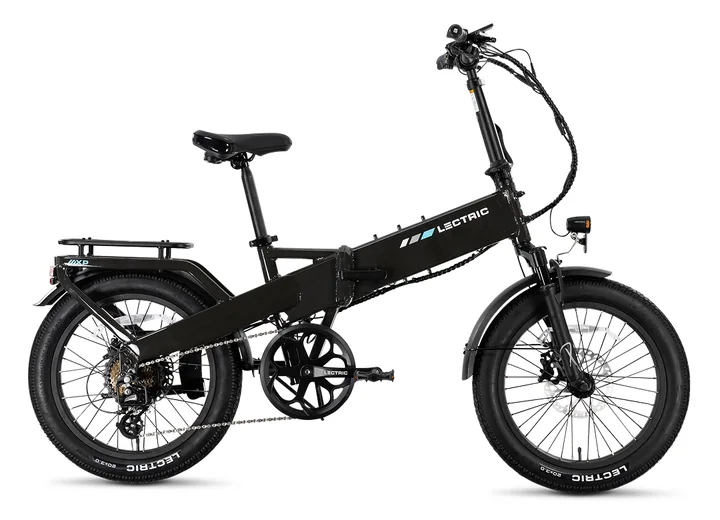
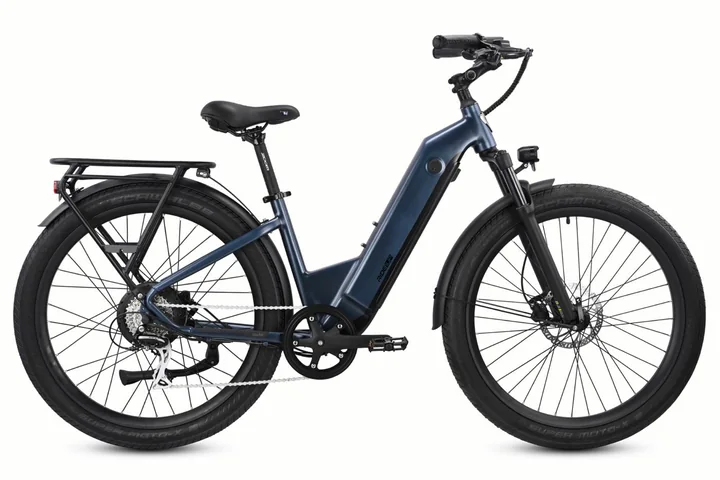
Two bikes share top billing, and they cover two different riders. The Ride1Up 700 Series ($1,595) is the full-size commuter I steer most people toward when they want one bike that does everything. The Lectric XP4 (from $999) is the sub-$1,000 pick that gives you the most capability for the least cash. Both stay under $1,600, both deliver real value, and both carry one compromise you should understand before you buy.
The short list at a glance
Two bikes carry this list, one at each end of the budget. The Ride1Up anchors the top of our $1,600 ceiling as a proper full-size commuter; the Lectric anchors the sub-$1,000 floor. Here is how they line up on the numbers that actually matter on a commute.
| Bike | Price | Motor | Battery | Advertised range | Sensor | Weight |
|---|---|---|---|---|---|---|
| Ride1Up 700 Series | $1,595 | 750W hub | 720Wh Samsung | 30 to 50 mi | cadence | 62 lbs |
| Lectric XP4 | from $999 | 500W (750W option) | up to 840Wh | 50 to 85 mi | cadence | 62 lbs |
Both run a cadence sensor and both come in under our $1,600 line, so this whole page is a value question, not a spec war. The Ride1Up is a full-size integrated commuter with a rack and fenders bolted on out of the box; the Lectric folds and rolls on 20-inch fat tires. Different jobs, both honest value. If a small folded footprint is your main reason for shopping, jump straight to the best folding electric bikes guide; if you want body-style trade-offs in general, the best commuter electric bikes guide lays them out.
1. Ride1Up 700 Series: the most commuter for the money
When someone has room in the budget and wants a proper full-size commuter, the 700 Series is where I send them, and it is the bike I would buy with my own $1,595. It sneaks in just under our ceiling and gives you a cleaner, more grown-up bike than anything cheaper. The 750W hub motor, 720Wh Samsung battery, hydraulic brakes, and an included rack and fenders make it ready to commute the day it arrives. No accessory shopping spree required.
The Samsung cells are the quiet headline here. On a budget bike, the battery is the single most expensive part and the easiest place to cut corners. Brand-name cells mean predictable capacity and a longer healthy life, so that is money spent in exactly the right spot. The integrated frame also hides the battery, so it looks far less like an ebike than the Lectric does, which some commuters care about.
How it rides: it is a cadence-sensor bike, so the assist meters power by pedal motion rather than by how hard you push (the difference between the two sensors is worth a read). But the bigger wheels and longer wheelbase smooth everything out, and at 62 lbs it is quick for its size. Pedal assist tops out at 28 mph, with throttle capped at 20 mph, so it is a real Class 3 mover when you want it. On hills the 750W motor does fine on rolling terrain; sustained steep climbs are where a torque sensor would help.
Real-world range lands around 20 to 35 miles depending on how hard you lean on it, against the 30 to 50 mile claim (here is why that gap exists). That covers the vast majority of commutes with margin. Who it is for: riders who want one full-size bike that handles the whole commute and looks the part. Who should skip it: anyone who needs to fold the bike into a closet or a trunk. Dig into the details in my Ride1Up 700 Series review, and you can see the 700 Series price if it fits your needs.
2. Lectric XP4: the most bike per dollar under $1,000
If your budget is tight or your storage space is tighter, the XP4 is the value champion below a grand. I have put real miles on the XP line and the value is not a marketing line, it is just true. Starting at $999 you get hydraulic disc brakes, a fold, fat 20-inch tires, and a battery that scales up to 840Wh. There is nothing else at this price that gives you stoppers that good. Hydraulic brakes on a sub-$1,000 ebike used to be a fantasy.
How it rides: the XP4 is a cadence-sensor bike, so the assist comes on a beat after you start pedaling and it is more of an on/off shove than a natural push. You get used to it in a week. On a fat-tire 20-inch platform it feels planted and a little tank-like, which is fine for potholed city streets and gravel shoulders. The 750W motor option pulls hard enough for most hills, though steep grades will have it grunting since a cadence sensor cannot finesse power the way a torque sensor does.
On range, read the fine print: knock a third or more off that 50 to 85 mile claim once you add real hills and throttle use (the full reason why is here). With the big 840Wh pack you will still see a genuine 35 to 50 miles, which is plenty for a daily commuter.
Who it is for: first-time buyers, apartment dwellers who need a fold, anyone who wants maximum capability for the least cash. Who should skip it: riders who want a buttery, natural pedal feel and who hate a heavier 62 lb bike to lift. For the full ride report, see my Lectric XP4 review, and you can check the current XP4 price when you are ready.
What you can and cannot expect under $1,600
Set your expectations right and you will be happy. Here is the honest picture from someone who takes these apart.
What you can expect: hydraulic disc brakes (now common even near $1,000), a 750W-class hub motor, batteries in the 700 to 840Wh range, and a top speed of 28 mph on Class 3 models. That is a lot of bike. Five years ago none of that came cheap.
What you should not expect: a few things almost always give in this price band.
- Torque sensors are rare. Most budget bikes use a cadence sensor, which adds a preset level of help instead of reading how hard you push, so the ride feels less refined than a torque-sensor commuter. The full breakdown is in hub motor vs mid-drive.
- Weight. Cheaper frames and bigger batteries mean 62 lbs and up. Carrying one upstairs is a workout.
- Optimistic range numbers. Every brand quotes the best-case figure. Mentally cut it to half or two-thirds.
- Lighter components. Budget drivetrains, displays, and tires are functional, not fancy. They wear faster.
None of those are deal-breakers. They are the trade you make to get a capable ebike for the money. New to all this? Start with ebike classes explained so the speed numbers make sense.
The corners you must not cut
This is the part I care about most. Save money on the right things and a budget ebike serves you for years. Save money on the wrong things and you are dealing with a safety problem or a dead bike. Two areas are non-negotiable.
Brakes. You are riding a 62 lb bike up to 28 mph, often in traffic. Soft, grabby mechanical brakes are the most common dangerous corner-cut on cheap ebikes. I want hydraulic disc brakes, and I am glad both bikes on this list have them. If a budget bike you are eyeing has mechanical cable brakes, that is a real strike against it. Stopping power is not where you economize.
Battery cells. The battery is the heart of the bike and the part most likely to be quietly downgraded. Off-brand cells can underdeliver on capacity, age fast, and in the worst cheap-import cases pose a fire risk. Look for known cell makers like Samsung or LG, and for a UL-certified pack where you can get it. The Ride1Up uses Samsung cells; that is exactly the kind of spend I want to see protected. A bargain battery is no bargain.
Everything else (the display, the tires, the saddle) you can upgrade later for cheap. Brakes and battery you live with, so make sure they are right before you pay. When you are comparing models, run them through my how to buy an electric bike checklist.
How to choose, and what comes next
Here is the simple decision. If you have the room in your budget, want a full-size commuter that looks the part, and value brand-name battery cells, get the Ride1Up 700 Series. If your budget is tight, you need to store the bike in a small space, or you just want the most capability per dollar, get the Lectric XP4. You will not regret either one, and both land comfortably under our $1,600 mark.
If you find yourself wanting a more natural ride feel and can stretch past this budget, that is where torque-sensor commuters in the $1,700 range come in. The jump in refinement is real. It is worth knowing what the next tier buys you before you decide, and worth understanding how much an electric bike really costs across the market so you can place these two value picks in context.
Compare our tested top picks side by side, with real specs, photos and honest pros and cons.
Independent and reader-supported. Some links in our reviews are affiliate links that never change our rankings. How we test.
Frequently asked questions
What is the best budget electric bike under $1,600?
The Ride1Up 700 Series ($1,595) is the best full-size value, with a 750W motor, Samsung battery cells, and a rack and fenders included. If your budget is tighter or you need a fold, the Lectric XP4 (from $999) is the best pick under $1,000, with hydraulic disc brakes and a battery up to 840Wh.
Why do budget ebikes use cadence sensors instead of torque sensors?
Torque sensors cost more, so brands save money by fitting a cadence sensor at this price. A cadence sensor adds a preset level of power based on pedal motion, while a torque sensor reads how hard you push and matches it, which feels more natural. Both the 700 Series and XP4 use cadence sensors, and you adapt within a week.
How accurate are the advertised range numbers on cheap ebikes?
Not very. Plan on knocking a third or more off the quoted figure once you ride with hills and throttle use. The Lectric XP4's 50 to 85 mile claim realistically means about 35 to 50 miles with the big battery, and the 700 Series lands near 20 to 35 miles.
Which corners should a budget ebike never cut?
Brakes and battery cells. You are riding a heavy bike at speed, so hydraulic disc brakes are a must over soft mechanical ones. The battery is the most expensive part and easiest to downgrade, so look for known cells like Samsung or LG and a UL-certified pack. The display, tires, and saddle you can upgrade cheaply later.
Is a budget ebike worth it or should I save for a pricier one?
For most commuters, a good budget ebike is absolutely worth it. Bikes near $1,000 to $1,600 now come with hydraulic brakes, 750W motors, and large batteries. You give up a torque sensor, lighter weight, and premium parts. If you want a more natural ride feel, stretching to a torque-sensor commuter near $1,700 buys real refinement.

I wrench on and ride these bikes year round, and I write every review and guide here. I rank by what holds up on real roads, not by who pays the most. How we test →